
In-home care · Omaha metro
Mobility assistance
A fall is the event that most often ends independence — not the injury itself so much as the fear afterwards, which stops people moving, which makes the next fall more likely. Safe transfers and steady walking, done properly and every day, is how that spiral gets interrupted.
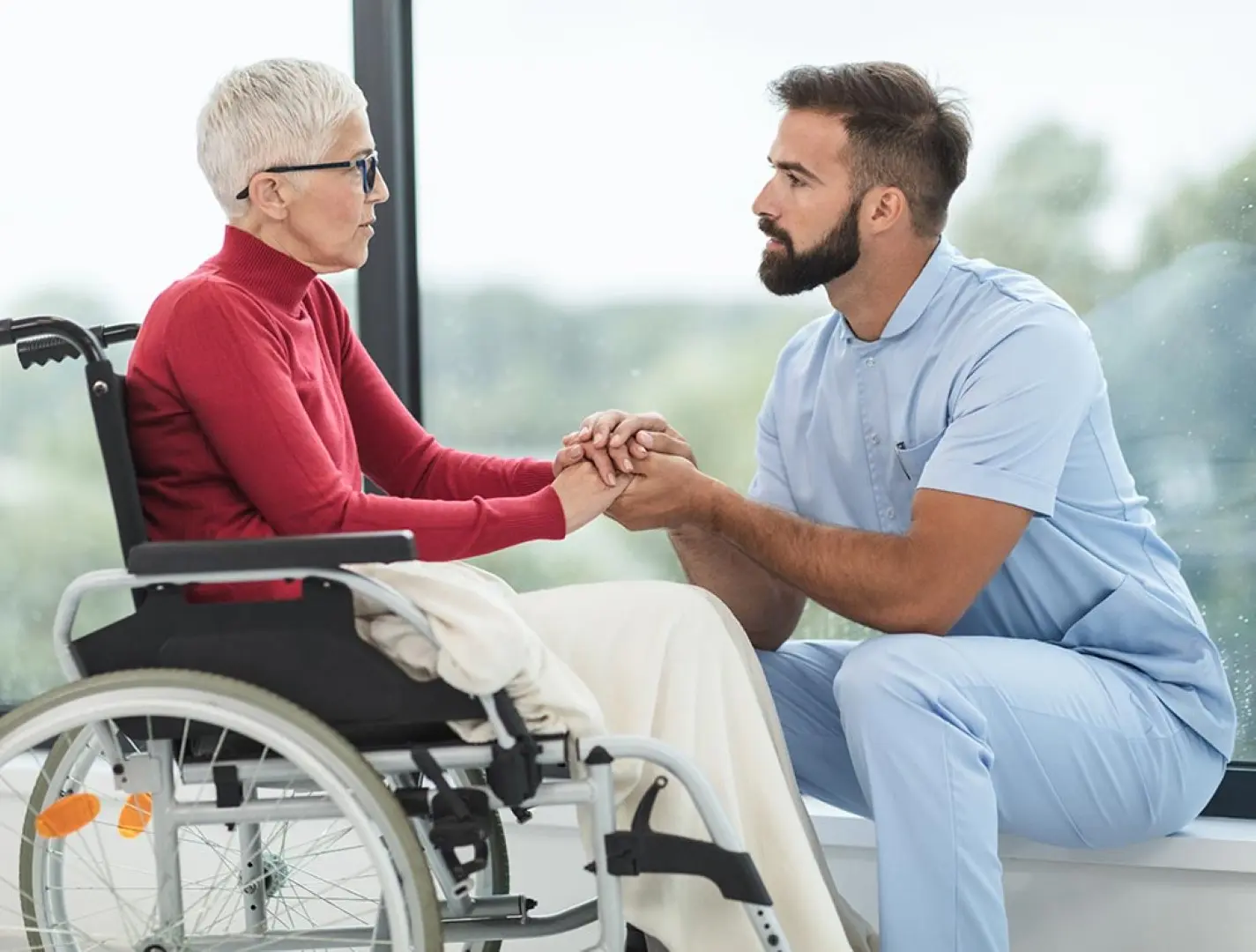
What a caregiver actually does
Not a category — the specific things that happen while somebody is in the house.
- Transfers — bed to chair, chair to toilet, into a car
- Walking with a frame or stick, correctly rather than approximately
- Wheelchair use, positioning and pressure relief
- Stairs, thresholds and getting out of the front door
- Keeping up whatever the physiotherapist asked for
- Repositioning through the day for anyone mostly in bed or a chair
Is it time?
What is usually happening when families call about this
If two or three of these sound like your house, it is worth a phone call. It costs nothing to ask.
A fall, or a near miss they only mentioned afterwards
Furniture-walking — using the worktops and chair backs to get around
They have stopped going upstairs, or stopped going out
Someone is being lifted by a family member who should not be lifting
How mobility assistance gets paid for
Three different situations, three different answers. One of these is yours.
Please read this bit
We are a non-medical home care company
That means our caregivers help with daily life — washing, dressing, meals, mobility, housekeeping, company and getting to appointments. It is skilled, trained, background-checked help, and for most families it is exactly what is needed.
If any of that is what you need, say so and we will tell you straight — often the answer is a home health agency or hospice for the clinical side, with us doing the daily hours around it. We work alongside both, and we would rather point you to the right place than take a booking we cannot do properly.
What we do not do
- No nursing care, injections or IVs
- We remind and prompt about medication; we never administer it
- No wound care, catheters or clinical procedures
- No physical, occupational or speech therapy
- No diagnosing, and nothing that needs a nurse or a doctor
Questions families ask
- My father is a big man. Can you manage him?
- Tell us his weight and how much he can do himself at the first call and we will answer honestly. Some transfers need two caregivers or a hoist, and we would rather arrange that than send one person and hope.
- Do you do the physiotherapy exercises?
- We are not therapists, but we keep the exercises going on the days between visits, which is where they usually get dropped.
Families who needed this usually needed one of these too
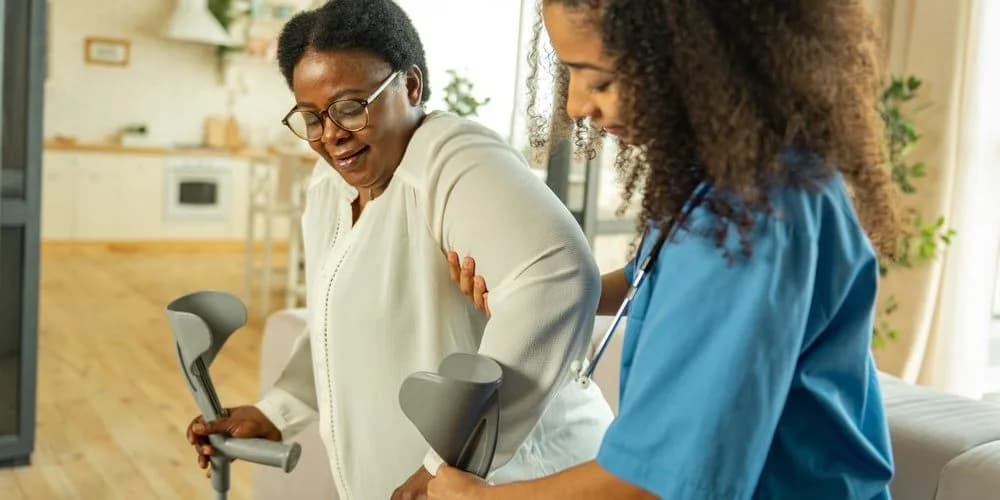
Home safety & fall prevention
We walk the house, name the hazards and fix the small ones — grab bars, lighting, rugs.
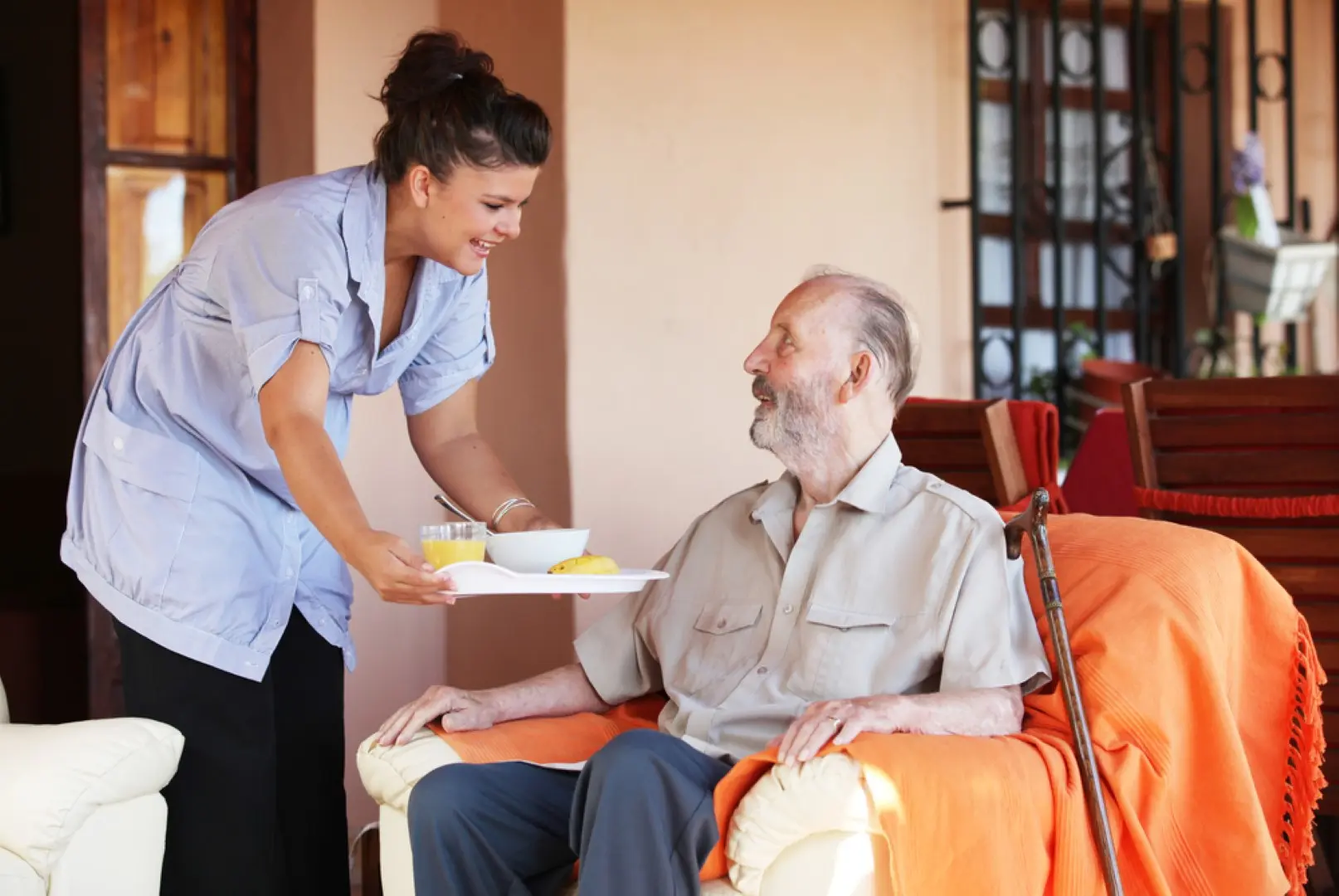
Light housekeeping
Laundry, dishes, vacuuming, bed linen. A clean house is a safer one.

Errand services
Groceries, prescriptions, the post office — done for them or alongside them.
Mobility assistance in
Not sure whether mobility assistance is what you need?
Tell us what is going on and we will tell you honestly — including when the answer is somebody other than us.